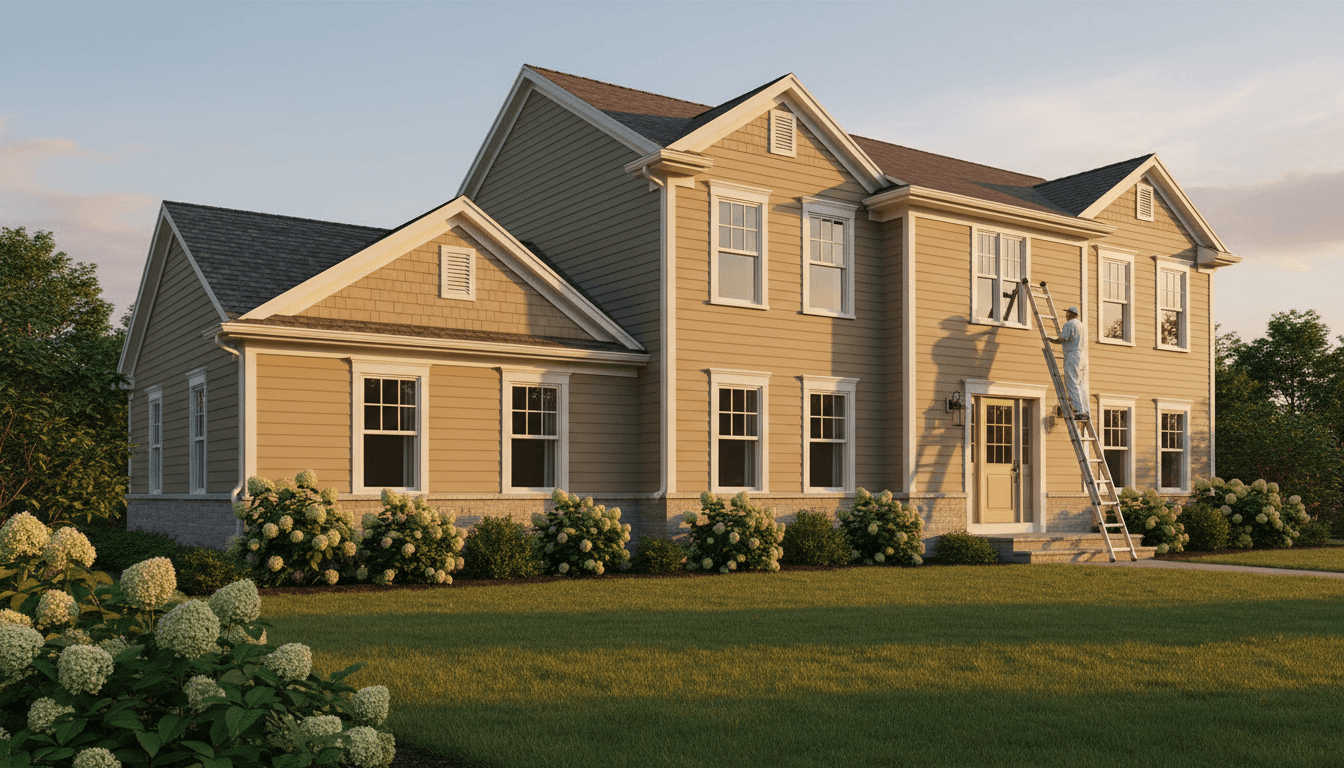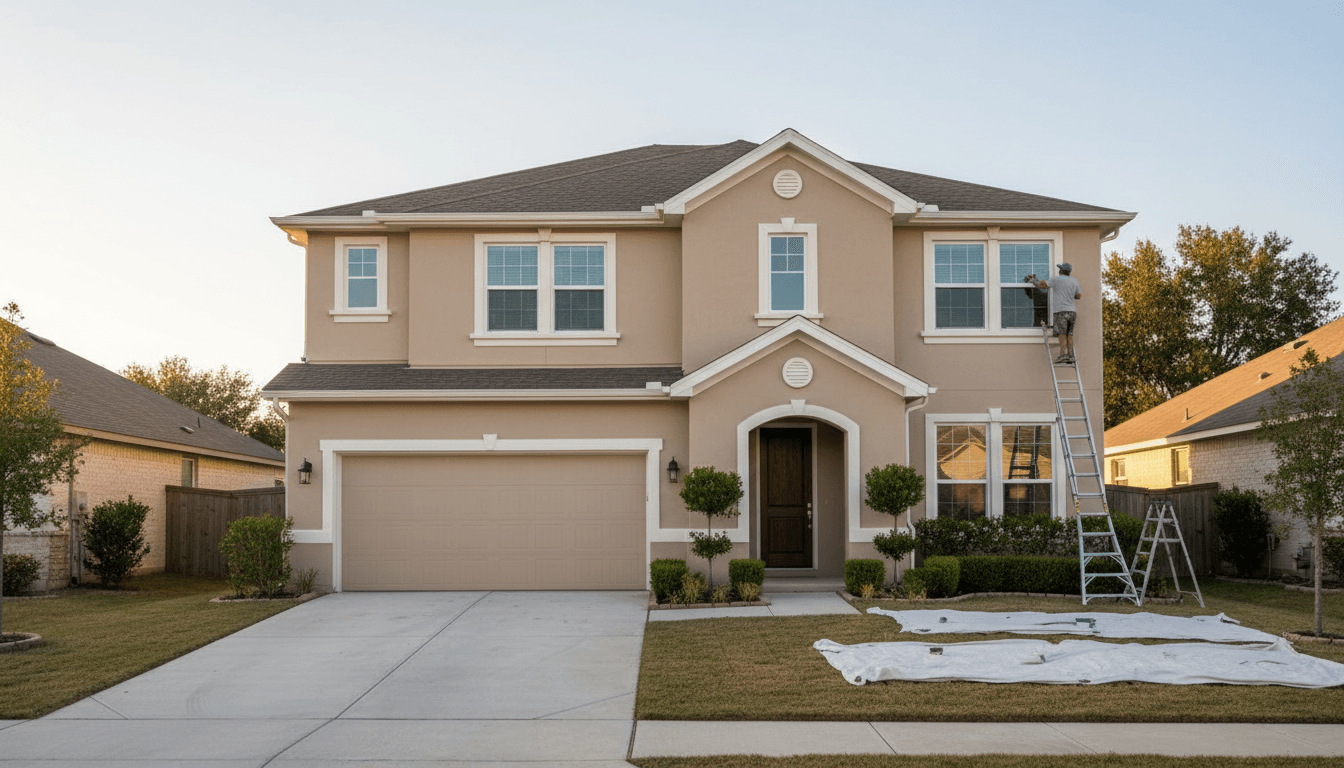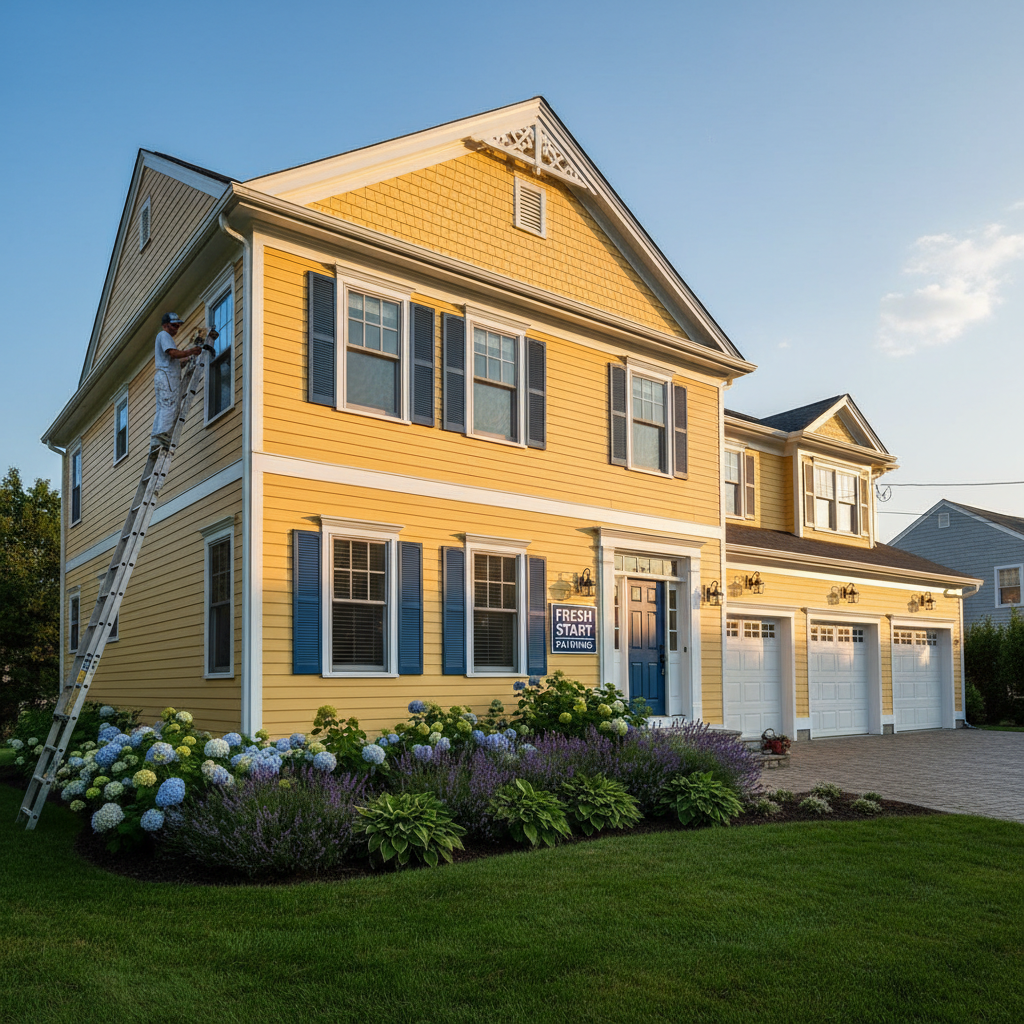
The best time to paint exterior Utah is between late April and mid-October when temperatures are mild and humidity remains low. Homeowners should ideally target late spring or early fall, specifically late September to mid-October, to ensure optimal paint adhesion and drying. These windows provide the most consistent weather for exterior projects, avoiding both the extreme heat of summer and the freezing risks of winter.
Utah homeowners often find themselves caught between a late spring snowstorm and the blistering heat of a July afternoon. If you have been putting off your exterior project because you are unsure when the weather will cooperate, you are not alone. Timing your paint job correctly is about more than just avoiding a sudden downpour; it is a critical step in ensuring the durability and bond of the finish. In our high-desert climate, the window for a perfect application can be surprisingly narrow. This guide explores the ideal seasonal windows for Utah painting projects, including the specific temperature requirements and environmental factors that Juab Painting monitors to ensure a professional result. You will learn how to identify the golden window for your home and how we manage the unique challenges of our local weather.
Understanding the Utah Climate: Why Timing Is Everything
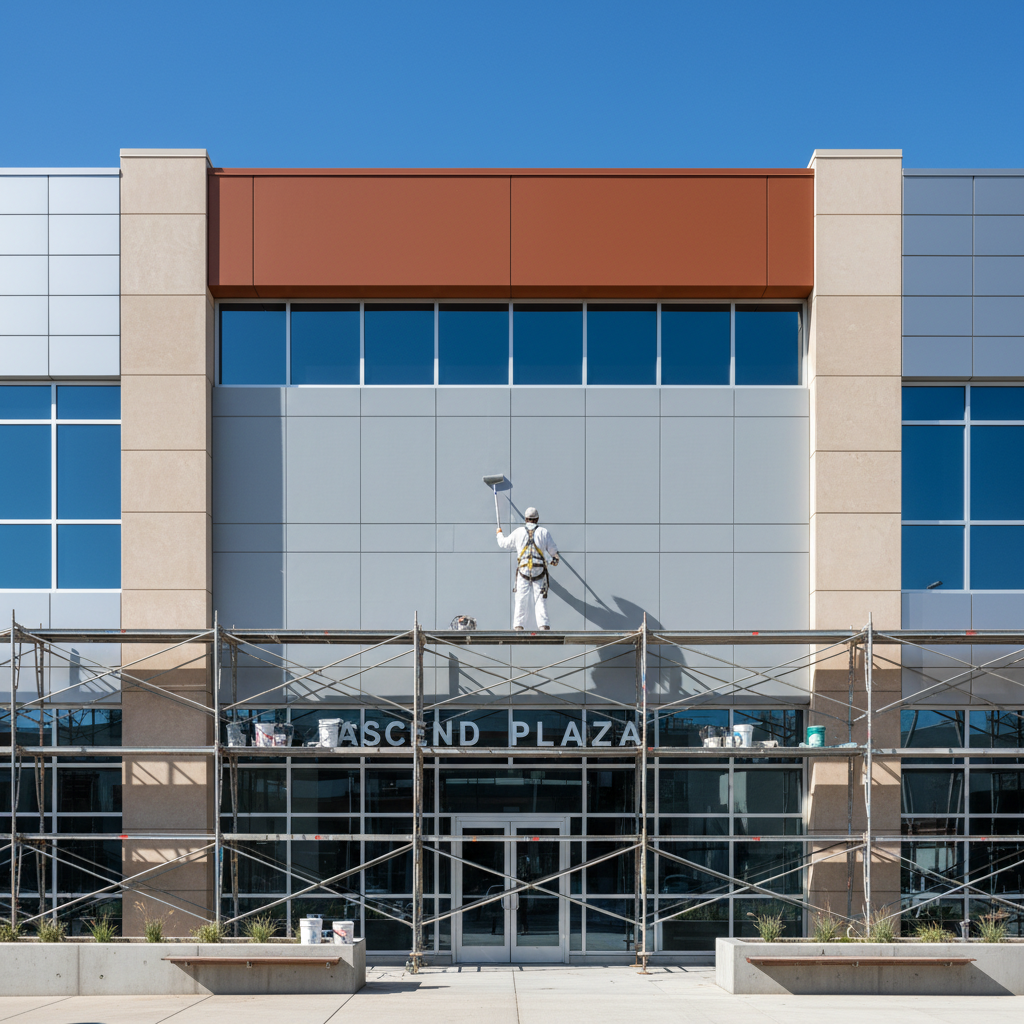
Utah’s climate presents unique hurdles for exterior painting projects. In Juab County and along the Wasatch Front, the high altitude and semi-arid environment mean that conditions change rapidly. Determining the best time to paint exterior Utah homes requires a deep understanding of how these local weather patterns affect the chemical bonding process of professional-grade coatings.
One of the most critical factors often overlooked is the difference between air temperature and surface temperature. While your thermometer might read a pleasant 75 degrees, a south-facing wall in the direct Utah sun can easily be 20 to 30 degrees hotter than the ambient air. If the substrate is too hot, the paint dries almost instantly upon contact. This flash-drying prevents the product from properly wetting the surface, which is essential for creating a strong mechanical bond. Without this penetration, the paint sits on top of the material rather than adhering to it, often leading to premature peeling.
Curing cycles also require thermal stability. Because of our high-altitude location, the air loses heat quickly once the sun sets. If temperatures drop too sharply before the paint has had sufficient time to form a resilient film, the curing process is chemically interrupted. We monitor these fluctuations to ensure every application happens during a window that supports long-term durability.
The Golden Window: Late Spring and Early Fall
Professional painters refer to the months of May, June, September, and October as the premier window for exterior work in Juab County. These periods provide what we call "Goldilocks" conditions; the weather is neither too hot to cause flash-drying nor too cold to stall the chemical curing process. For optimal results, we look for daytime temperatures between 50 and 85 degrees Fahrenheit combined with low relative humidity. This balance ensures that the paint flows smoothly and levels out correctly before it sets, which is vital for achieving a professional finish.
While spring offers a fresh start, September often stands out as the single best month for those seeking the best time to paint exterior Utah properties. By late summer, the ground and the building’s thermal mass have been thoroughly warmed by months of sun. This residual heat helps the paint cure more effectively, even as evening air temperatures begin to crisp. Furthermore, the aggressive summer monsoons that often strike the Wasatch Front in July and August have usually subsided by early September, providing a much more predictable schedule for quality workmanship and clean execution.
In local communities like Nephi and Mona, fall weather tends to be significantly more stable than the spring season. While May and June can bring sudden cold fronts or volatile storms, September and early October typically offer long stretches of clear, dry days. This atmospheric stability allows our crews to maintain a consistent pace, ensuring that every layer of product has the necessary time to bond without being interrupted by the high-velocity dust or unexpected moisture common in the earlier months. Working within this specific seasonal window is the most effective way to protect your investment and ensure the coating lasts for its full rated lifespan.
Spring Painting in Juab County: Managing Rain and Wind
Spring in Juab County offers a tempting window for exterior work, but it requires a disciplined approach to managing the elements. While the temperature might feel right, March through May often brings high-velocity winds that present a unique challenge for professional residential and commercial painting services. These gusts carry dust, grit, and seasonal debris that can easily embed themselves in a wet paint film. This contamination creates a permanent, gritty texture and can weaken the bond of the coating. We closely monitor wind speeds to ensure that we are only applying product when the air is still enough to maintain a smooth, clean finish.
Rain is the other primary concern during a Utah spring. We follow a strict two hour rain rule to protect the integrity of the application. If a fresh coat of paint is exposed to moisture within two hours of being applied, the rainwater can cause surfactant leaching, spotting, or even wash the paint off the substrate entirely. Professional crews utilize high-resolution local radar to identify precise gaps in the weather. This allows us to time applications perfectly so the product has the necessary dry time to become rain-resistant. For homeowners searching for the best time to paint exterior Utah properties, spring is a viable option only if you have the experience to navigate these volatile shifts. Contact Juab Painting for a timely estimate to discuss how we secure your project against the spring elements.
Summer Exterior Painting: Chasing the Shade
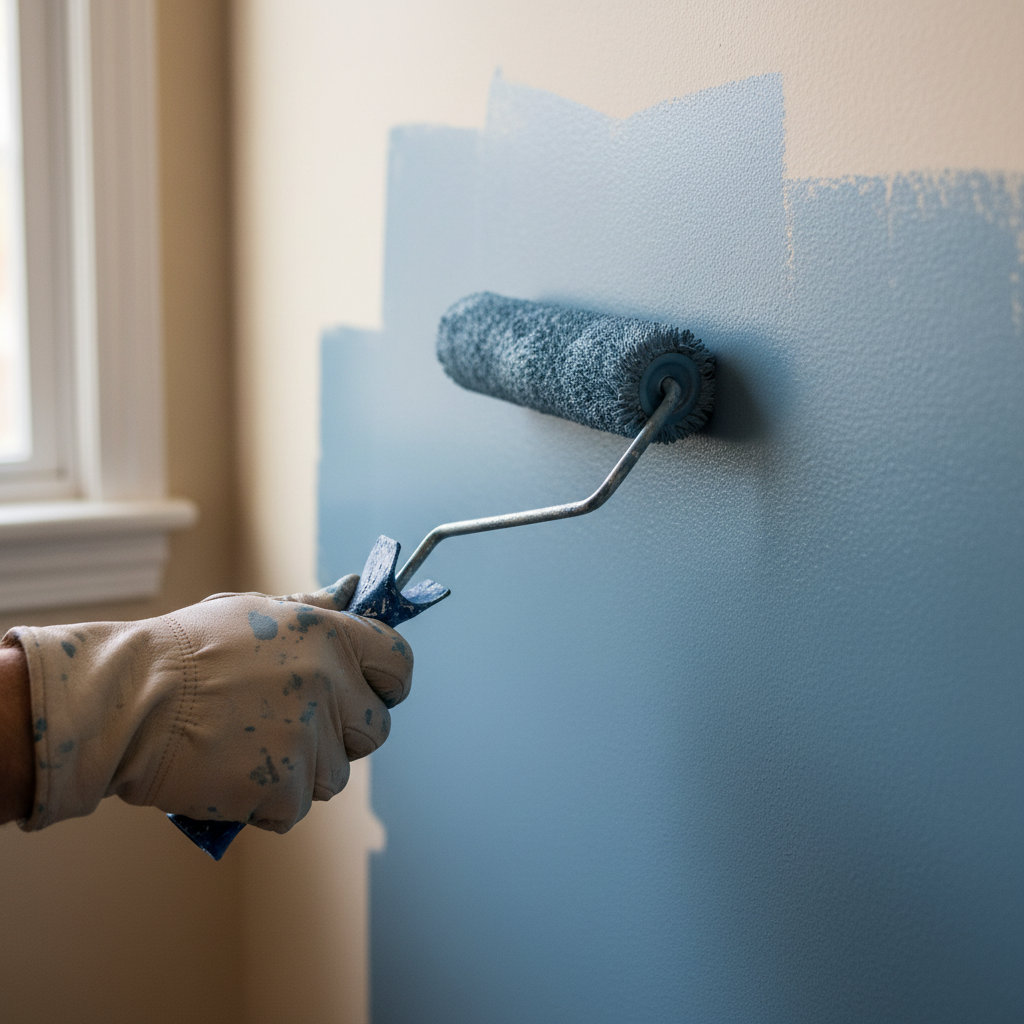
July and August are often considered challenging months for exterior projects in Utah, but they remain a viable window for those who missed the spring rush. Success during the height of summer depends entirely on a professional strategy known as chasing the shade. When temperatures climb above 90 degrees Fahrenheit, paint can dry up to 70 percent faster than it would under ideal conditions. This rapid evaporation is a primary hurdle for DIYers because it makes maintaining a wet edge nearly impossible.
If the edge of a painted section dries before the next pass is applied, it results in visible lap marks, which are permanent streaks where the layers overlap. More importantly, flash-drying prevents the resins in the paint from properly knitting together and anchoring to the siding. To combat this, our teams carefully plan the day around the sun's trajectory. We typically begin on the east-facing walls in the early morning while they are still in the shadow of the house, then move to the north side, and finally address the west and south elevations once they are shielded by afternoon shadows.
Using this method ensures quality workmanship and clean execution even during a heatwave. It requires a fast-moving crew and high-performance products specifically engineered for heat resistance. While summer might not seem like the best time to paint exterior Utah homes to an amateur, a professional approach allows for durable, high-standard finishes that withstand the intense high-altitude sun. This strategic movement keeps the substrate cool enough for the coating to level out correctly, ensuring the final result is as smooth as a project completed in the milder spring months.
Temperature Requirements: How Cold Is Too Cold?
A common question for Utah homeowners is whether 50 degrees is the absolute cutoff for exterior work. Historically, this was the industry standard, but advancements in paint chemistry have shifted the goalposts. Many modern premium acrylic latex paints are now rated for application in temperatures as low as 35 degrees Fahrenheit. However, the air temperature at the moment the brush hits the siding is only one part of the equation.
The most critical factor during the shoulder seasons is the overnight low. Even if the afternoon sun provides a comfortable 55-degree window for application, the chemical bond is at high risk if temperatures drop below freezing within the first 24 to 48 hours. During this period, the water in the paint must evaporate so the resin particles can fuse into a continuous film. If the liquid components freeze before this curing process is complete, the physical structure of the paint is compromised, often resulting in immediate cracking or total adhesion failure.
Late October and November also introduce the risk of surfactant leaching. As temperatures fall and the dew point rises, moisture can condense on the surface and pull water-soluble ingredients out of the uncured paint film. This often appears as unsightly, waxy-looking streaks or brown residues on the finish. Additionally, painting in cold, damp conditions increases the risk of trapping moisture under the film. This trapped vapor will eventually struggle to escape as the weather warms, leading to bubbles and premature peeling. For those identifying the best time to paint exterior Utah properties, staying mindful of these thermal limits ensures quality workmanship and clean execution that survives the coming winter.
Juab Painting's Professional Process: Preparing for the Season
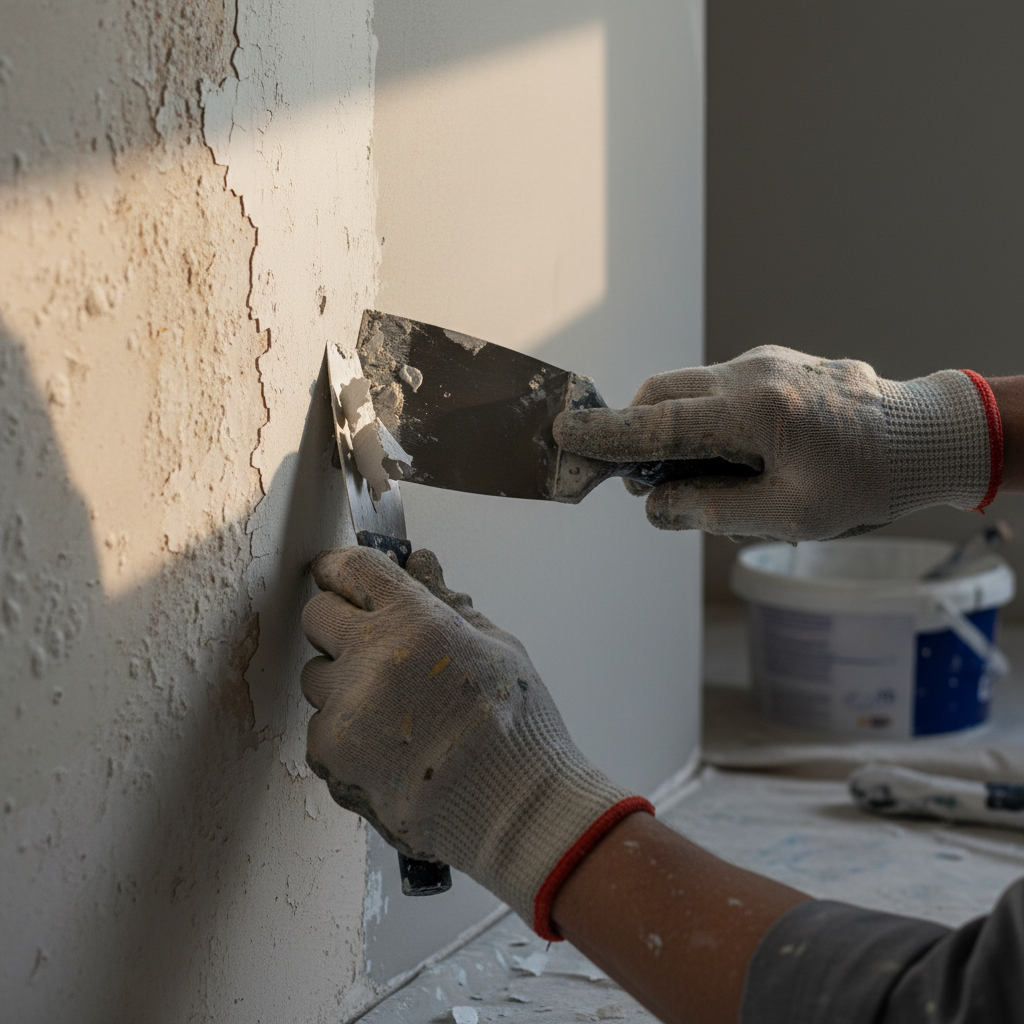
Juab Painting manages these seasonal variables by prioritizing intensive surface preparation, which remains the most critical factor in a lasting finish. When the weather window is tight, we do not cut corners; we double down on scraping, sanding, and priming. This meticulous approach ensures that the substrate is completely stable before any topcoat is applied. By focusing on quality workmanship and clean execution, we ensure the paint adheres perfectly, even if the temperature fluctuates shortly after application. High-grade primers are especially important in Utah, as they act as a vital buffer between the raw material and the extreme high-altitude elements.
The technical application might be limited to the warmer months, but the strategic planning phase happens much earlier. While the best time to paint exterior Utah properties is during the spring or fall, the best time to book your project is during the winter. Securing a slot on our schedule in January or February ensures your home is prioritized before the inevitable spring rush. This lead time allows us to provide professional residential and commercial painting services with the precision your property deserves. You can contact Juab Painting for a timely estimate today to start the planning process for the upcoming season.
Frequently Asked Questions About Utah Exterior Painting
Navigating the seasonal nuances of Juab County can be complex for property owners. To help you identify the best time to paint exterior Utah homes, we have compiled answers to the most frequent questions regarding local weather and application standards.
Is October too late to paint outside? In Juab County, October is often a fantastic month for painting. You can safely apply coatings as long as daytime temperatures reach 50 degrees and overnight lows stay above 35 to 40 degrees. This ensures the paint film has enough thermal energy to fuse correctly before the temperature drops. Once the forecast shows consistent freezing temperatures at night, the chemical bond of the paint is at risk, and the exterior season concludes.
What happens if it rains two hours after painting? If rain hits within two hours of application, you may see surface spotting, surfactant leaching, or paint wash-off. While modern acrylics dry relatively fast, they need several hours to become rain-resistant. If a surprise storm occurs, we ensure quality workmanship and clean execution by letting the surface dry completely before assessing if a re-coat is necessary. Monitoring radar is a standard part of our professional process to avoid these moisture risks.
Can you paint in the winter? Utah winters are too cold for exterior work due to the risk of the paint freezing before it cures. However, this is the premier season for professional residential and commercial painting services inside your home. Winter is the best time to refresh interior spaces, like bedrooms or kitchens, while waiting for the outdoor window to reopen. It is also the ideal time to contact Juab Painting for a timely estimate to book your exterior project before the spring rush begins.
Timing your exterior project around Utah's unique climate is the best way to ensure a beautiful, lasting finish. Whether you choose the mild days of late spring or the consistent temperatures of early fall, proper preparation remains essential for success. If you would like some expert assistance with the planning or execution of your next project, you can explore our full range of Services to see how we can help. Our team is here to make your home look its best whenever you are ready to start.